

Temperature Monitoring & Measurement

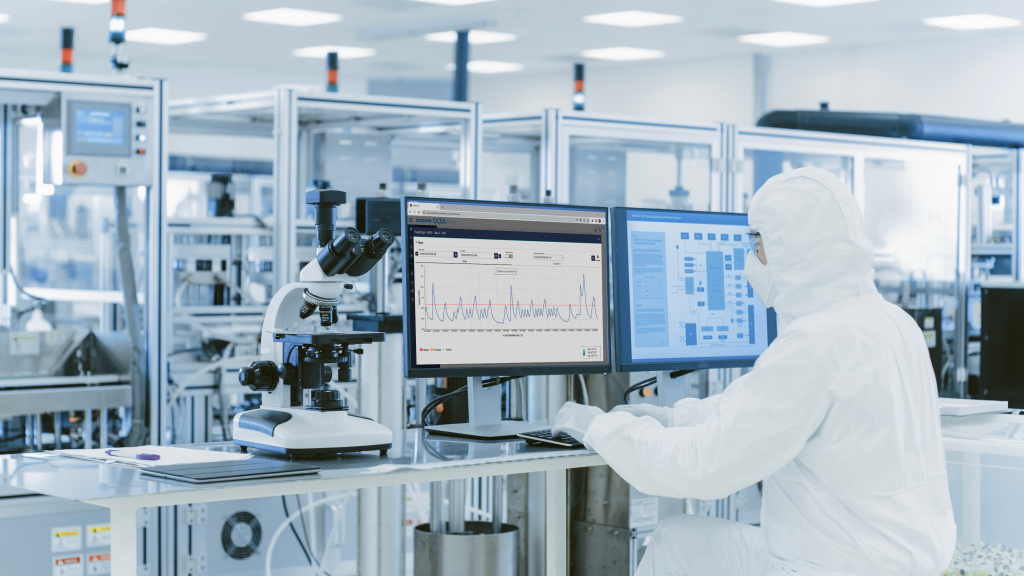
Temperature is a universal parameter that influences countless industries, from healthcare to food safety to storage and logistics. Precise temperature monitoring is critical not only for maintaining operational efficiency but also for ensuring compliance with regulations, safety, and product quality.

Needed solution

Why Temperature Monitoring Is Essential

Temperature plays a vital role in several aspects of industry and science. It is one of the core environmental parameters monitored in fields such as meteorology and agriculture. Any deviation from specified temperature ranges can lead to catastrophic consequences in certain industries, such as spoilage, equipment malfunctions, or even public health concerns. 

Within industrial applications, maintaining temperature consistency ensures adherence to quality standards and regulations. Whether ensuring the efficacy of medical drugs, the safety of food products, or the proper storage conditions, accurate temperature measurements and monitoring systems are indispensable.


Challenges of Temperature Instability

Product Degradation

Fluctuations in temperature can render consumable items such as food or pharmaceuticals unsafe for use.

Life Science Sample Tampering

Temperature fluctuations can compromise the integrity of biological samples in life sciences, potentially leading to false results and affecting research outcomes or clinical diagnostics.

Compliance Breaches:

Many industries face strict temperature-related compliance requirements. Non-compliance can result in significant fines or reputational damage.

Industry-Specific Solutions

Industry-Specific Environmental Temperature Monitoring Applications

Pharmaceutical and Biotechnological Applications

Pharmaceuticals and biotechnological products often include temperature-sensitive compounds that can become ineffective when exposed to unfavorable conditions. 

Key Use Cases in the Pharmaceutical Industry 

  • Drug Manufacturing and R&D Facilities: Pharmaceutical research centers rely on ultra-precise environmental control to maintain the efficacy of experimental drugs. Similarly, production facilities ensure that legally mandated temperature ranges are strictly upheld during manufacturing.
  • Storage and Shipping of Medications: Temperature-monitoring devices track storage conditions during warehousing and shipping to maintain stability and efficacy, ensuring patient safety and adherence to legal compliance.

Food and Beverage

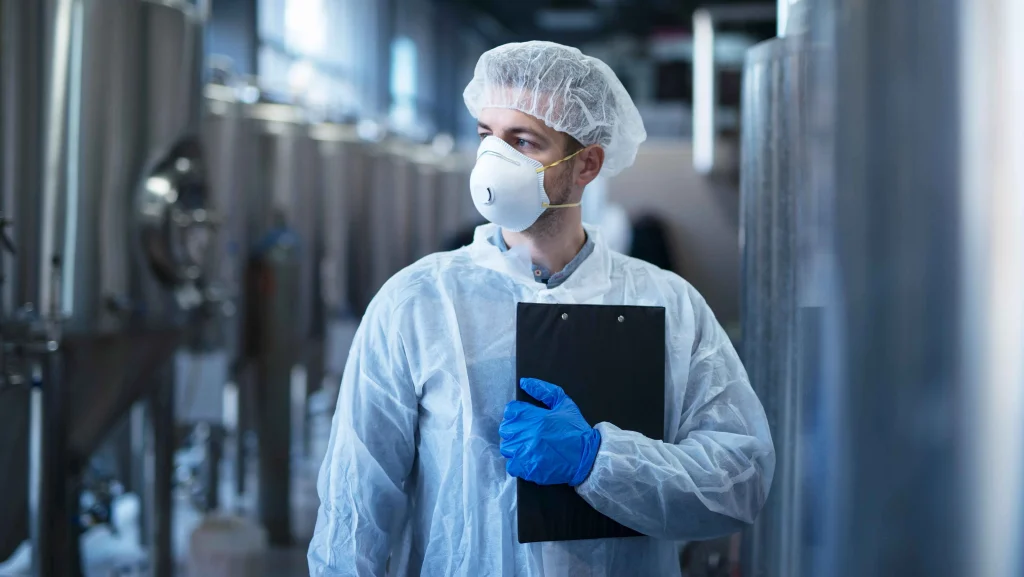
The food and beverage sector operates under strict health and safety regulations to prevent contamination and spoilage. Accurate temperature monitoring is pivotal across production, transportation, and storage stages. 

Applications in the Food Industry 

  • Cold Storage and Transportation: Temperature-controlled logistics (also known as cold chain logistics) ensures food products remain safe for consumption by maintaining specific temperature ranges during transit.
  • Quality Assurance: Whether monitoring oven temperatures for baked goods or chillers in beverage factories, real-time monitoring ensures consistent product quality. Temperature monitoring not only prevents potential health risks but also contributes to minimizing food wastage —a key issue in global supply chains.

Healthcare and Life Sciences

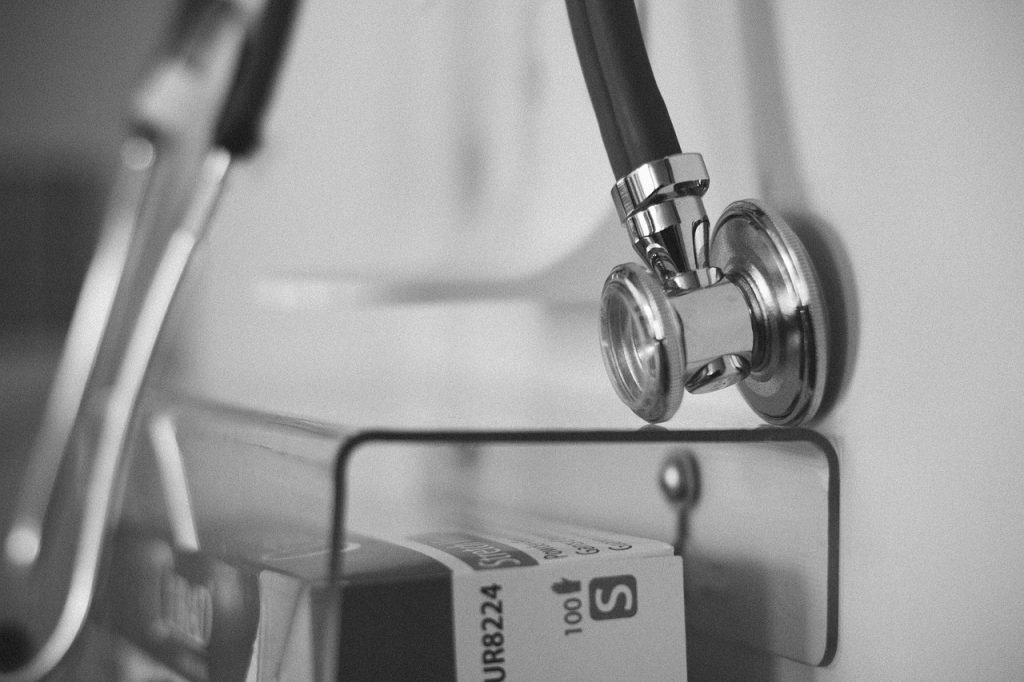
Hospitals, laboratories, and blood storage centers must maintain strict temperature control to ensure patient safety and treatment efficacy. Sensitive biological products such as vaccines, blood samples, and tissue samples require precise storage temperatures to maintain their integrity.

Importance of Temperature Monitoring in Healthcare

  • Vaccine Storage and Distribution: Vaccines often require cold-chain storage to remain effective. Advanced temperature monitoring solutions provide real-time alerts if storage conditions breach acceptable levels. This is particularly crucial for mRNA vaccines, which demand ultra-cold storage conditions.
  • Maintaining Compliance: Regulatory bodies such as the FDA and CDC require healthcare facilities to document and maintain strict temperature logs. A robust monitoring system automates this process, ensuring accurate documentation and compliance readiness. By implementing cloud-connected monitoring systems, healthcare facilities can provide end-to-end visibility and reduce the risk of compliance failures.
Transportation and Storage

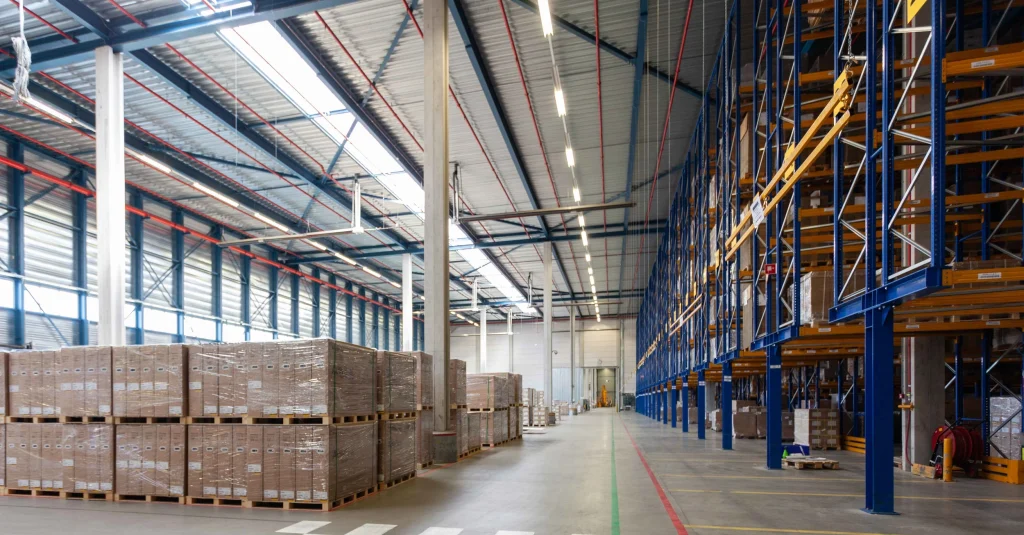
Transportation and storage facilities are essential for the efficient movement and safekeeping of goods, where uninterrupted operations are crucial. Temperature fluctuations in these environments can critically affect the quality and safety of products, making temperature monitoring essential. 

Benefits of Monitoring in Transportation and Storage 

  • Preventing Damage: Temperature extremes can lead to spoilage or damage of goods, disrupting supply chains and causing significant financial and reputational losses for businesses.
  • Energy Optimization: Temperature monitoring balances climate control systems to prevent excessive or unnecessary energy usage. This improves cost-efficiency while ensuring the safe storage of goods.
  • Long-Term Asset Health: Continuous temperature monitoring helps identify trends that could indicate storage system inefficiencies or needed upgrades, preventing costly losses. Organizations that integrate comprehensive temperature regulation solutions reduce operational risks while ensuring the quality and safety of stored goods.

Industrial and Manufacturing

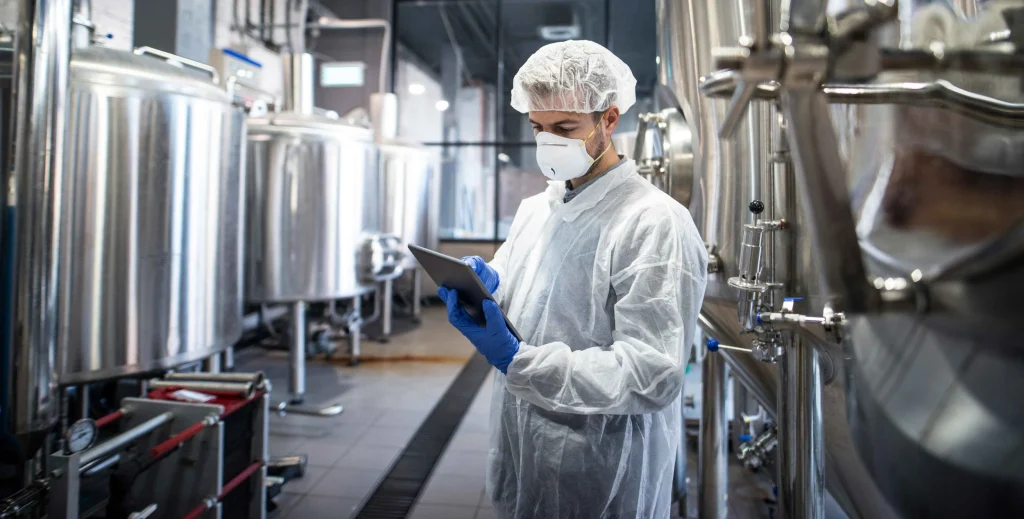
In industrial and manufacturing environments, ensuring operational efficiency and product integrity through precise temperature monitoring plays a crucial role in maintaining optimal conditions for sensitive equipment, raw materials, and production processes.

Benefits of Temperature Monitoring within Industrial and Manufacturing Industry

  • Equipment Protection and Maintenance: Industrial machinery operates under strict temperature requirements. Monitoring solutions provide real-time data to prevent overheating, reduce wear and tear, and extend the life of high-value assets. Irregularities can be addressed proactively, minimizing costly downtime.
  • Quality Control in Manufacturing: Manufacturing, especially in highly regulated sectors, rely on controlled environments to ensure consistency and quality of products. Temperature monitoring systems help you maintain compliance with European standards and mitigate the risk of defective or non-conforming goods.
  • Energy Efficiency and Cost Savings: Temperature monitoring solutions enable better climate control, ensuring energy efficiency and cost savings without compromising on the safety of sensitive products or materials.

features of dickson data solution

Key Benefits of Our Temperature Monitoring Solutions
Maintain Regulatory Compliance

Stay ahead of compliance requirements with temperature monitoring that keeps you informed. From audits to everyday operations, our solutions help you meet MHRA, FDA, pharmaceutical and cold chain standards.

Accurate Data Reporting

From tracking to reporting, our temperature measurement and monitoring solutions ensure accuracy at every step. Detailed records give you the tools to analyze performance and confidently meet regulatory expectations.

DicksonOne Europe

Reliable Technology for Critical Environments

Our environmental temperature monitoring solutions are engineered for reliability in even the most challenging industry environments, ensuring long-lasting performance you can trust.

Flexibility with Remote Monitoring

Whether on-site or off-site, our cloud-enabled devices deliver continuous temperature measurements, providing the oversight you need to stay informed and compliant.

Real-Time Alerts

Real-time alerts provide immediate awareness of temperature deviations, empowering you to take quick action and minimize risks. Our actionable insights help you maintain compliance and protect sensitive materials.

Our Temperature Monitoring Solutions

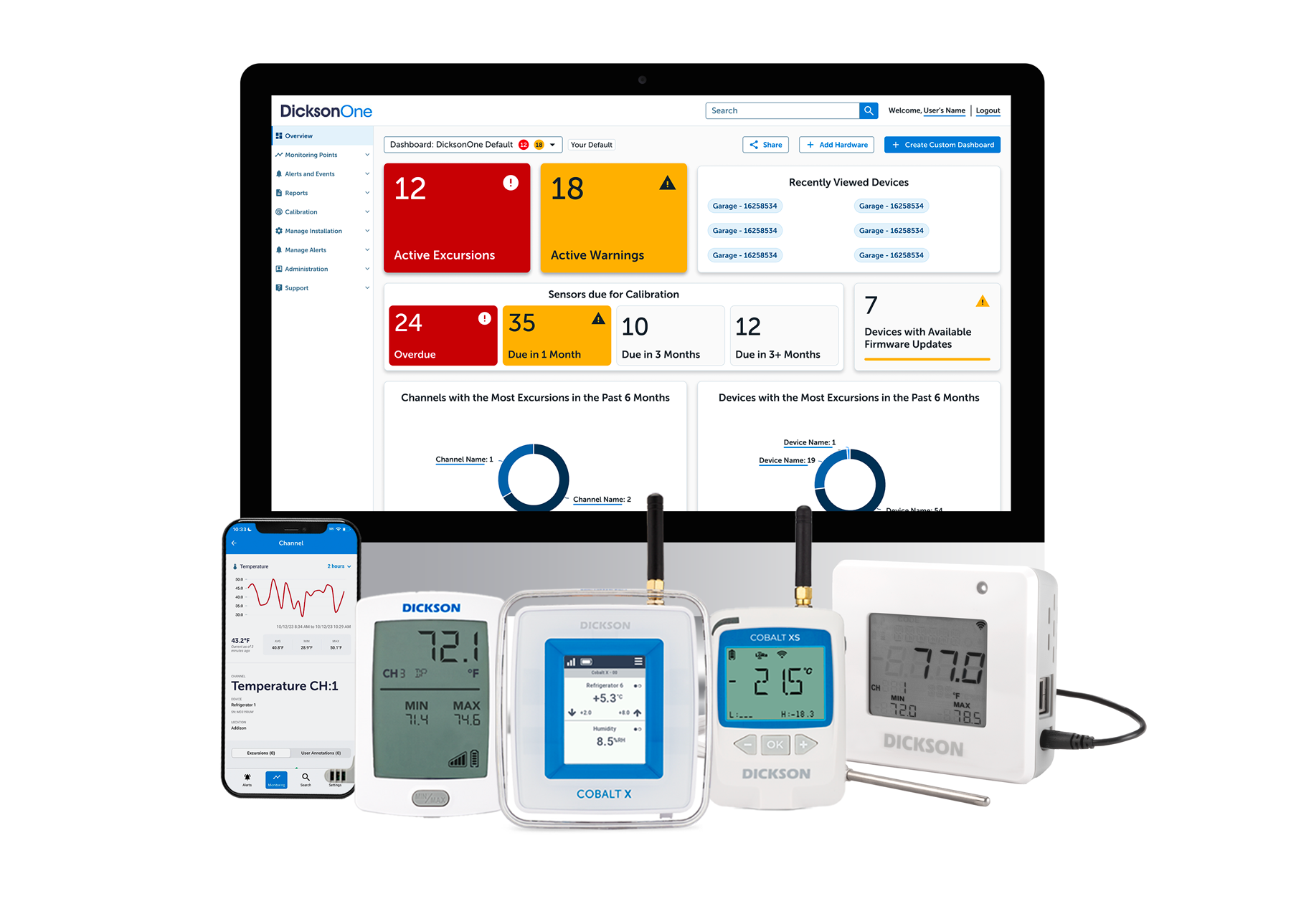
Dickson offers two robust temperature monitoring solutions designed to meet diverse operational needs: DicksonOne, a cloud-based system for real-time data access and proactive alerts from anywhere, and OCEAView, a local solution providing full control over data storage and security on-site. Both options deliver reliable, precise monitoring tailored to industries requiring compliance, efficiency, and adaptability.
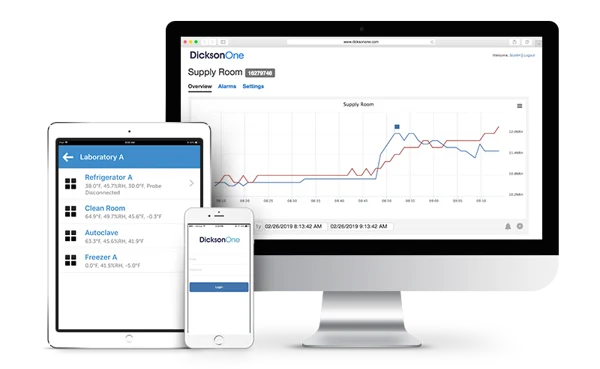
DicksonOne

DicksonOne provides continuous Wi-FI and LoRaWAN remote monitoring of your most critical environments to ensure product safety and leave you with peace of mind.

OCEAView

Protecting your most valuable assets requires a powerful and complete monitoring solution. The OCEAView™ Cloud and on-premise solution provides comprehensive monitoring of critical parameters through a connected ecosystem of data loggers, sensors, receivers, and intuitive mobile & web applications.

Designed to Meet Your Needs

Our Temperature Monitoring Devices

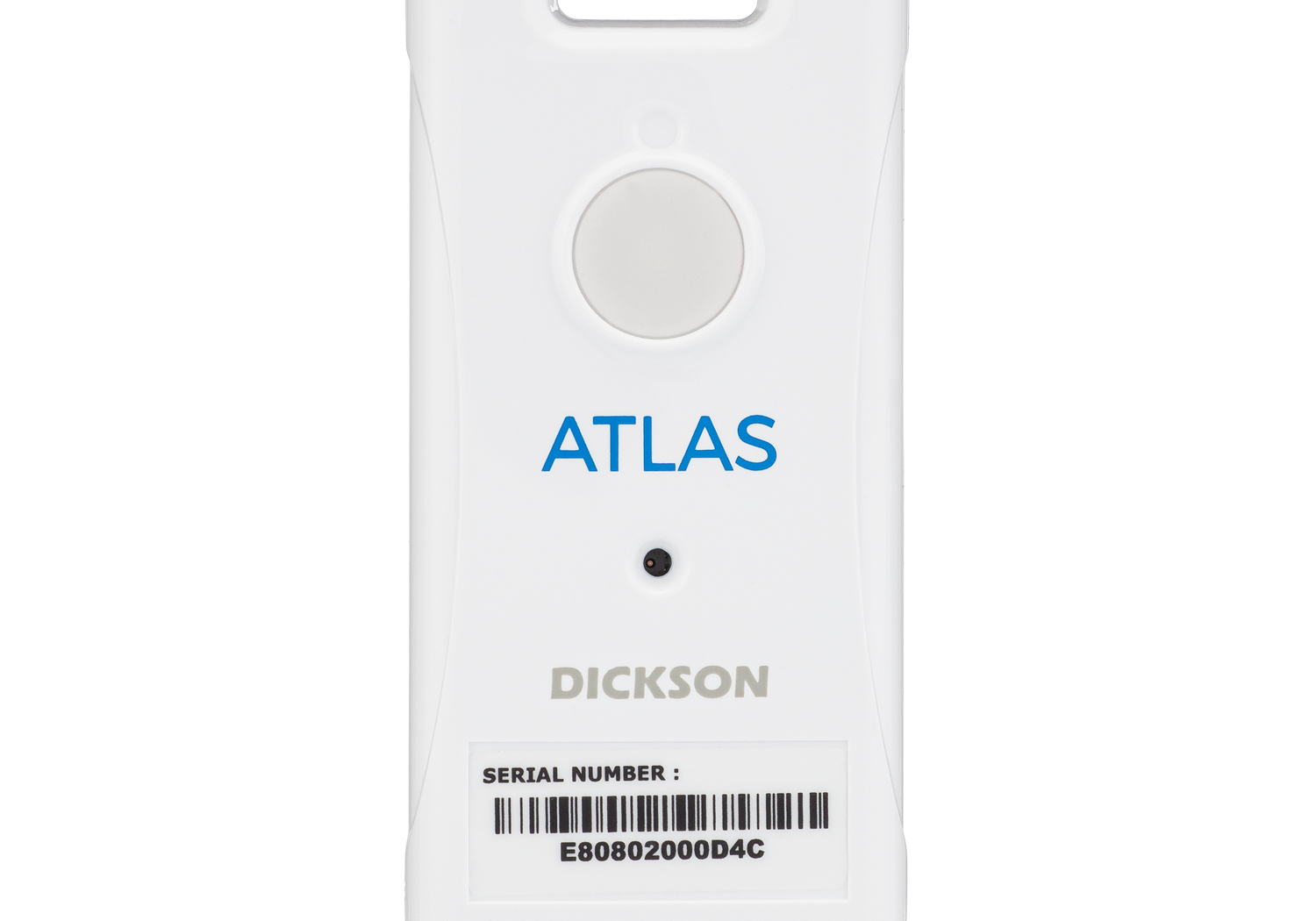
Dickson’s temperature sensors and data loggers deliver precise temperature monitoring, with solutions like digital sensors, chart recorders, and wireless data loggers tailored for healthcare, manufacturing, food, and pharmaceuticals. See our list of available products below.

Other Temperature Monitoring Resources
Enhance Your Efficiency with Wireless LoRaWAN Temperature Monitoring Solutions

In today’s fast-paced world, businesses thrive on efficiency and precision. One crucial aspect often overlooked is temperature monitoring. Enter Wireless LoRaWAN Temperature Monitoring – a revolutionary solution to streamline your operations.Revolutionizing Temperature Monitoring: What is LoRaWAN?LoRaWAN, short for Long Range Wide Area Network, is a wireless communication protocol tailored for long-range communication with low-power devices.…

Read More

8 Remote Patient Monitoring Tools Hospitals & Providers Can Use to Improve

At Dickson Data, we develop precise and consistent temperature and humidity monitoring solutions to comply with ever-changing health and safety regulations in the heatlhcare industry, which makes us naturally curious about other monitoring, sensing, and data collection tools being used Hospitals use our temperature data loggers throughout their facility to keep track of vaccine temperatures,…

Read More

Understanding Pharmacy Temperature Requirements for Medication Storage

If vaccine and pharmacy medication storage reaches the wrong temperature, several things can happen – rendering them less effective than intended or even chemically altered, causing inadvertent patient harm. Because of this risk, strict pharmacy temperature requirements have been put into place to ensure medications are manufactured, transported, and stored properly before they reach the…

Read More

Your Guide to Pharmaceutical Validation & 6 Principles for Effective Implementation

In good manufacturing practice (GMP) and other GxP’s, the term validation has a formal, specific meaning. In this context, validation is a quality management tool used to confirm that a process or a piece of equipment satisfies its intended purpose through the use of objective data. In highly regulated industries like pharmaceuticals, validation is used…

Read More

Why Is Temperature Mapping in Pharma Important?

A growing trend in the pharmaceutical industry is the development of more complex and fragile products, like biologicals, chemical mixtures, and large molecules (COVID-19 vaccines are an example of this trend).  These products generally must follow a standard operating procedure (SOP) that requires more stringent temperature controls to prevent them from degrading or deactivating during…

Read More

Creating a HACCP Food Safety Plan: What Your Organization Needs to Meet Food Safety Compliance Standards

Food safety is an underlying concern touching every corner of the food industry, from manufacturers and distributors to the consumers ultimately eating the food. Hazard Analysis and Critical Control Points (or HACCP) is an internationally-recognized method of identifying and managing the risks related to food safety, designed to keep the food in question safe from…

Read More

Understanding Pharma GxP: A Guide to Good Practices in the Pharmaceutical Industry

Compliance with regulatory requirements and guidelines is very important since production of drugs for the pharmaceutical manufacturing organization is governed by set rules and regulations. Good “x” practice or GxP is basically a summary of all sorts of good practices or rules relating to different phases and disciplines of pharmaceutical processes. The “x” in GxP…

Read More

What is a Data Logger and What Are They Used For?

A data logger is a compact, self-contained electronic unit that measures and records a stream of data. Modern data loggers are highly configurable, in terms of the types of data they can record, how they transmit data, and how they can be integrated into large, complex, and dynamic networks. Often, they’re used to monitor environmental conditions, like temperature, humidity, and pressure.…

Read More

Data Loggers in Gene Therapy

Gene therapy has become one of the most talked-about advances in medical science. With the immediate ability to treat some extremely difficult diseases — retinal dystrophy, a form of lymphoma and a type of leukemia, amongst others — it is a treatment that shows promise in tackling a large number of other diseases that have resisted treatment.…

Read More

Case Study: Monitoring and Mapping Solutions for Life Sciences with DicksonOne

As we announce the launch of DicksonOne in EMEA (Europe, Middle East and Africa), we are proud to share with you the successes that have made this platform the leading environmental monitoring solution on the American market. Meet and Maintain Your Environmental Monitoring and Compliance Needs Why monitor your environment? Continuous monitoring with real-time alerts…

Read More

Ready to chat?

Speak with a Specialist About Temperature Monitoring

Our team of professionals is ready to help you find the right temperature monitoring solution. Send us a message or give us a call at +33(0)4 99 13 67 30.