






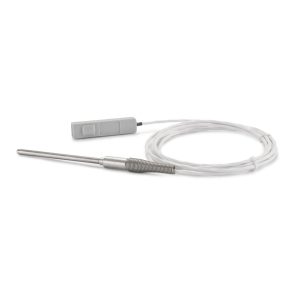
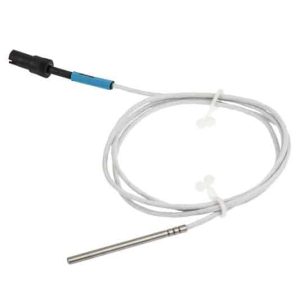
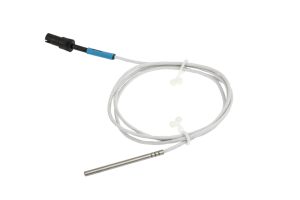
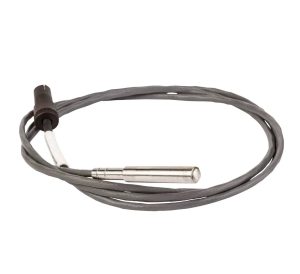
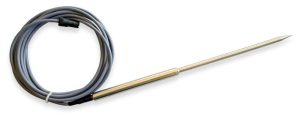
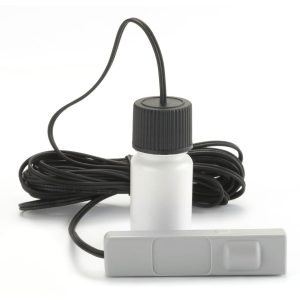
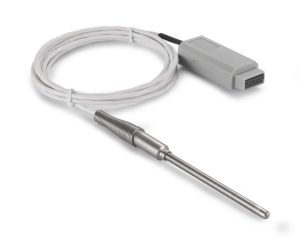
The best temperature sensors offer precise environmental monitoring across application and industry. Our sensors are compatible with our data loggers and monitoring software, ensuring accurate and reliable measurements. Each sensor has been designed with durability and accuracy in mind, making them ideal for Pharmaceuticals, Hospitals and Healthcare, Third-Party Logistics and Supply Chain Management, Food and Beverage, Manufacturing, and Aerospace.



Related Blog Posts
Sorry, we couldn't find any posts. Please try a different search.
Our Calibration Services
Correctly calibrated sensors are essential to remaining compliant and protecting your assets. Sensors lose their pinpoint accuracy over time. Dickson’s ISO/IEC 17025 A2LA accredited calibration laboratory gives you peace of mind that your instrument is calibrated properly.

All Sensors

Humidity Sensors
CO2 Sensors
Differential Pressure Sensors
Absolute Pressure Sensors
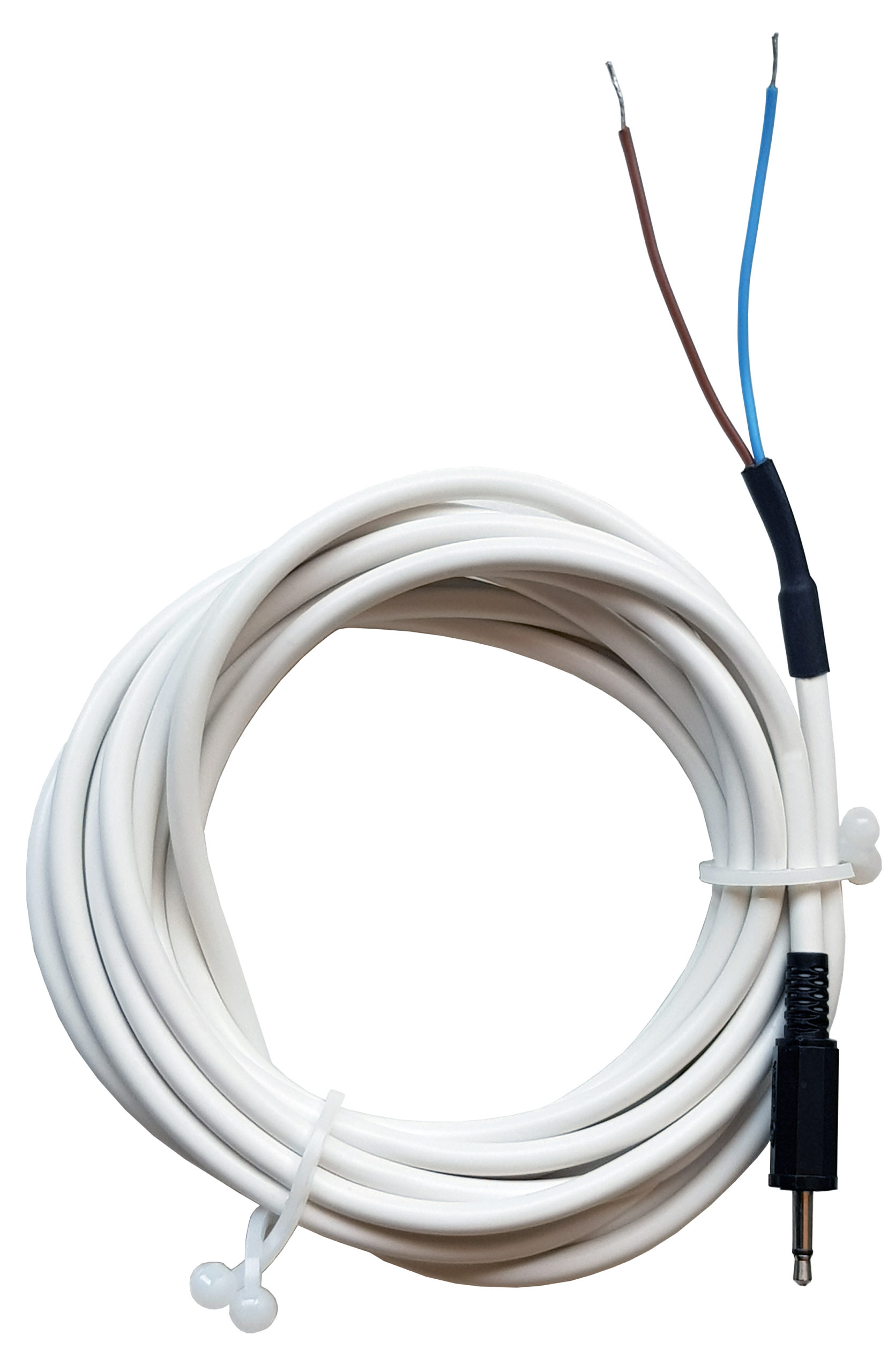
Dry Contact Sensors

Universal Sensors
Frequently Asked Questions
How often do I need to calibrate my temperature sensors?
+Calibration frequency depends on factors like sensor type, application criticality, and manufacturer recommendations. Generally, it’s advisable to calibrate temperature sensors annually. However, for applications requiring high precision, more frequent calibrations may be necessary. Consulting with the sensor manufacturer or a calibration specialist can provide guidance tailored to your specific needs.
Are Dickson’s temperature sensors compatible with cloud-based monitoring systems for real-time data access?
+Yes, our temperature sensors are compatible with their cloud-based monitoring systems, enabling real-time data access and alerts. Pair the sensors with wireless data loggers and cloud software to monitor environmental conditions remotely. This integration allows for centralized data management, compliance reporting, and proactive issue detection, ideal for critical industries like healthcare and pharmaceuticals.
How to install and set up Dickson’s temperature sensors for continuous monitoring?
+Our temperature sensors are designed for straightforward and easy installation and integration with monitoring systems. Simply connect the sensor to your device, configure the settings via our software, and begin tracking data. Detailed instructions and technical support are available to ensure a seamless setup, even for first-time users or complex monitoring environments.
How do I know if I’ve selected the right temperature sensor for my device?
+To ensure you’ve selected the correct temperature sensor, check the specifications and compatibility details in your device’s user manual or on the product page. Look for matching model numbers, measurement ranges, and connector types. If you’re uncertain, contact customer support for guidance, providing your device’s model information to confirm compatibility.
What are temperature sensors?
+Temperature sensors are devices that measure the degree of hotness or coldness in an environment and convert this information into electronic data for monitoring, recording, or signaling temperature changes.
How do temperature sensors work?
+Temperature sensors operate by detecting changes in physical properties—such as resistance, voltage, or current—that vary with temperature. These variations are then converted into readable data, allowing for accurate temperature monitoring.
What are the different types of temperature sensors?
+Common types of temperature sensors include:
- Thermocouples: Made by joining two dissimilar metals, they generate a voltage proportional to temperature differences.
- Resistance Temperature Detectors (RTDs): Utilize the principle that a metal’s resistance changes with temperature; platinum is commonly used for its stability.
- Thermistors: Composed of ceramic or polymer materials, they exhibit significant resistance changes with temperature variations.
- Semiconductor-based sensors: Integrated circuits that measure temperature by monitoring voltage changes across a diode.
What are Dickson’s replaceable temperature sensors?
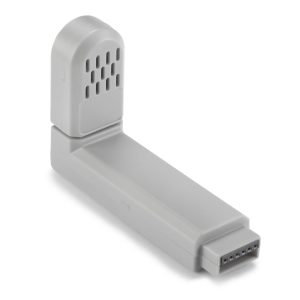
+Dickson offers a range of replaceable sensors designed for easy recalibration and maintenance. These sensors, such as the Ambient Temperature Sensor (RTMP) and the Temperature & Humidity Sensor (RTRH-R), can be swapped out without interrupting monitoring processes, ensuring continuous and accurate data collection.
Where are temperature sensors mostly used?
+Temperature sensors are utilized across various industries, including:
- Pharmaceuticals: Monitoring storage conditions for drugs and vaccines.
- Hospitals and Healthcare: Maintaining appropriate temperatures in medical equipment and patient care areas.
- Third-Party Logistics: Ensuring the highest product quality and safety throughout the supply chain.
- Food and Beverage: Ensuring proper storage and processing temperatures.
- Manufacturing: Controlling processes that are temperature-sensitive.
- Aerospace: Monitoring environmental conditions for equipment and materials.
How do I choose the right temperature sensor for my application?
+Selecting the appropriate temperature sensor involves considering factors such as:
- Temperature range: Ensure the sensor operates effectively within your required temperature limits.
- Accuracy: Determine the level of precision necessary for your application.
- Environment: Consider conditions like humidity, pressure, and potential exposure to chemicals.
- Response time: Assess how quickly the sensor needs to detect temperature changes.
- Calibration requirements: Understand the calibration needs to maintain accuracy over time.
What maintenance tips should I follow for temperature sensors?
+To maintain optimal performance of temperature sensors:
- Regular calibration: Schedule periodic calibrations to ensure accuracy.
- Proper handling: Avoid physical shocks and exposure to harmful substances.
- Environmental protection: Use appropriate enclosures if the sensor is in harsh conditions.
- Routine inspections: Check for signs of wear, corrosion, or damage.